
A paper examing the long-term impacts of the creative industries on surrounding urban economies
The creative industries have received much attention from economic geographers and others, both for their propensity to co-locate in urban settings and their potential to drive urban economic development.
However, evidence on the latter is surprisingly sparse. In this paper we explore the long-term, causal impacts of the creative industries on surrounding urban economies. Adapting Moretti’s local multipliers framework, we build a new 20-year panel of UK cities, using fixed effects and a historic instrument to identify effects on non-creative firms and employment.
We find that each creative job generate at least 1.9 non-tradable jobs between 1998 and 2018: this is associated with creative business services employees’ local spending, rather than visitors to urban amenities such as galleries and museums. We do not find the same effects for workplaces, and find no causal evidence for spillovers from creative activity to other tradable sectors, findings consistent with descriptive evidence on the increasing concentration of creative industries in a small number of cities. Given the small numbers of creative jobs in most cities, however, the overall effect size of the creative multiplier is small, and shapes only a small part of non-tradable urban employment change. Overall, our results suggest creative economy-led policies for cities can have positive – albeit partial – local economic impacts.
This report is being published as part of the PEC’s campaign Creative Places, which is calling for the government to target funding to creative microclusters around the UK.
Please reference this paper as:
Gutierrez Posada, D., Kitsos, T., Nathan, M. and Massimiliano, N. (2021) Do creative industries generate multiplier effects? Evidence from UK cities 1997 – 2018. Multiple: Creative Industries Policy and Evidence Centre; City-REDI, the University of Birmingham; University College London. Available from: https://www.pec.ac.uk/discussion-papers/do-creative-industries-generate-multiplier-effects
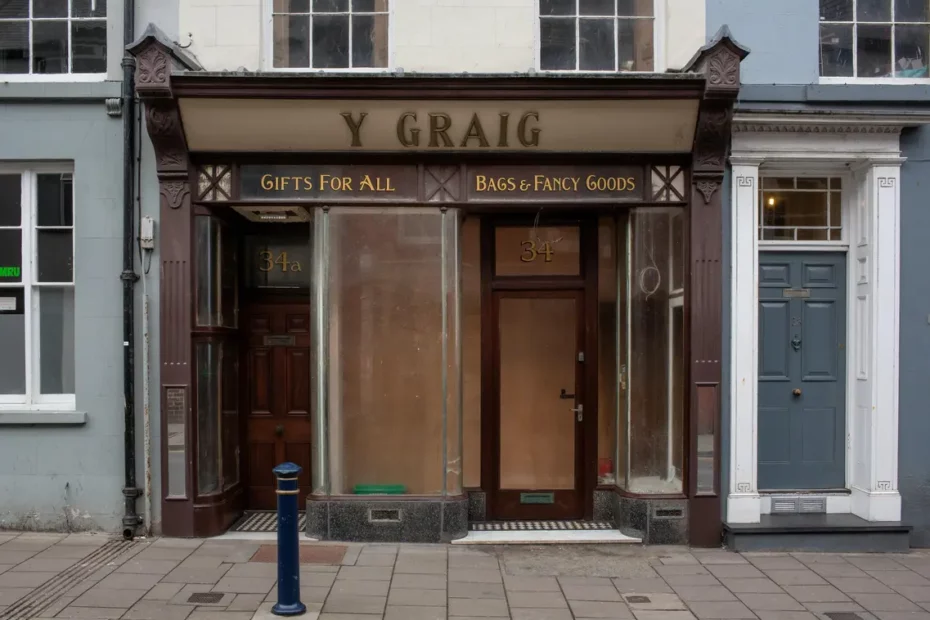
Photo of Aberystwyth in Wales by Wilhelm Gunkel
Related Discussion Papers
Creative Industries and Place: Configurations and Scales
Download this Discussion Paper by the Creative Industries & Place Small Research Network, examining …
Screen Green Transitions
Download the Discussion Papers by the Screen Green Transitions Small Research Network, looking at di…
A Silver Lining? Consumer Preferences over Human-Made and AI-Generated Production in Two Domains
This paper assesses whether consumers are willing to pay more for human-made versus AI-generated ima…

Demand for Creativity and AI Skills in the Post-ChatGPT Labour Market
This study examines the evolving relationship between employer demand for creativity and AI skills i…

Regional Trade Agreements, Cultural Provisions and Trade in Cultural Goods
Analysing the impact of Regional Trade Agreements on the bilateral trade of cultural goods from 1999…

International Trade Challenges and the Effectiveness of Support Measures for the UK’s Creative Industries
The formidable challenges confronting the UK’s creative industries in the realm of exports, st…
Northern England’s Creative Industries
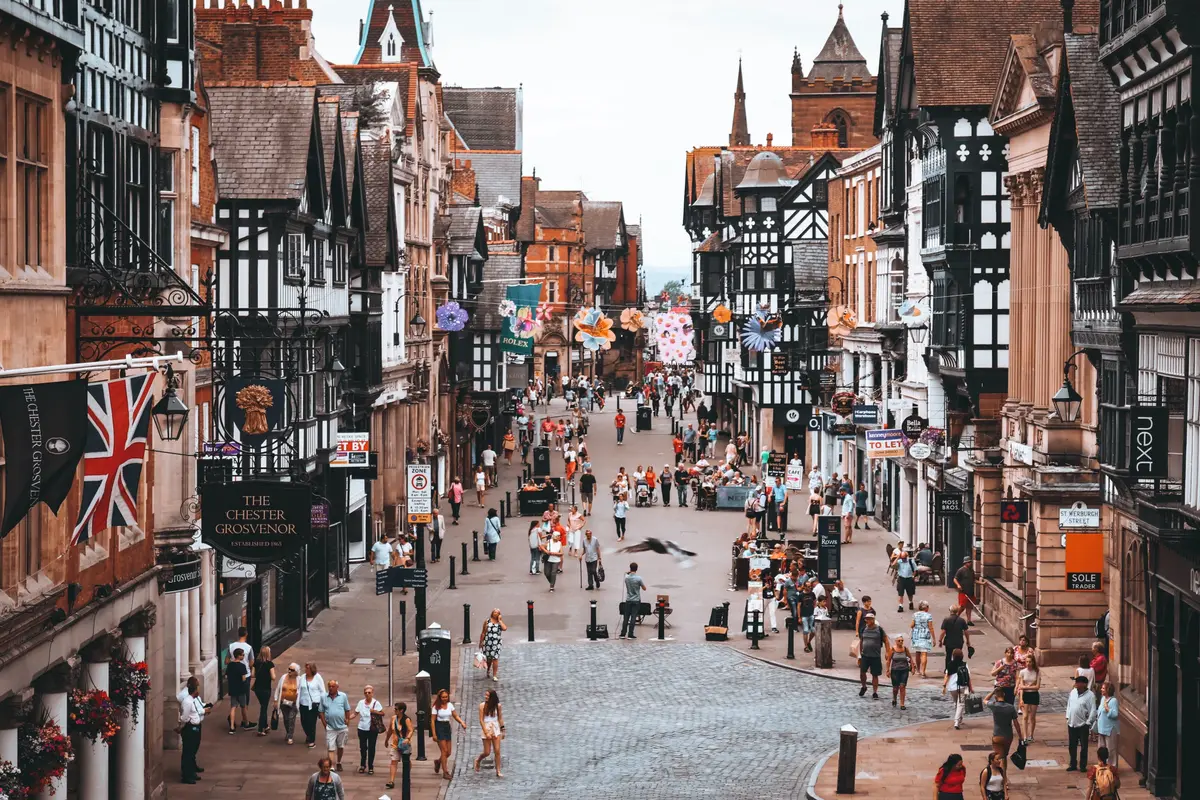
The Creative Industries are already a driver of growth across the UK economy. Export-intensive and m…

Creative Destruction? Creative firms, workers and residential gentrification
A new study by Tasos Kitsos, Max Nathan, and Diana Gutierrez-Posada finds only a minor influence of …

Speaking with One Voice
A fundamental remit of the BBC, and other public service broadcasters (PSBs) like ITV and Channel 4,…

Transitioning to Sustainable Production across the UK Theatre Sector
This discussion paper examines transitional pathways to sustainable theatre production in the UK. By…
Identifying and analysing UK fashion micro-clusters
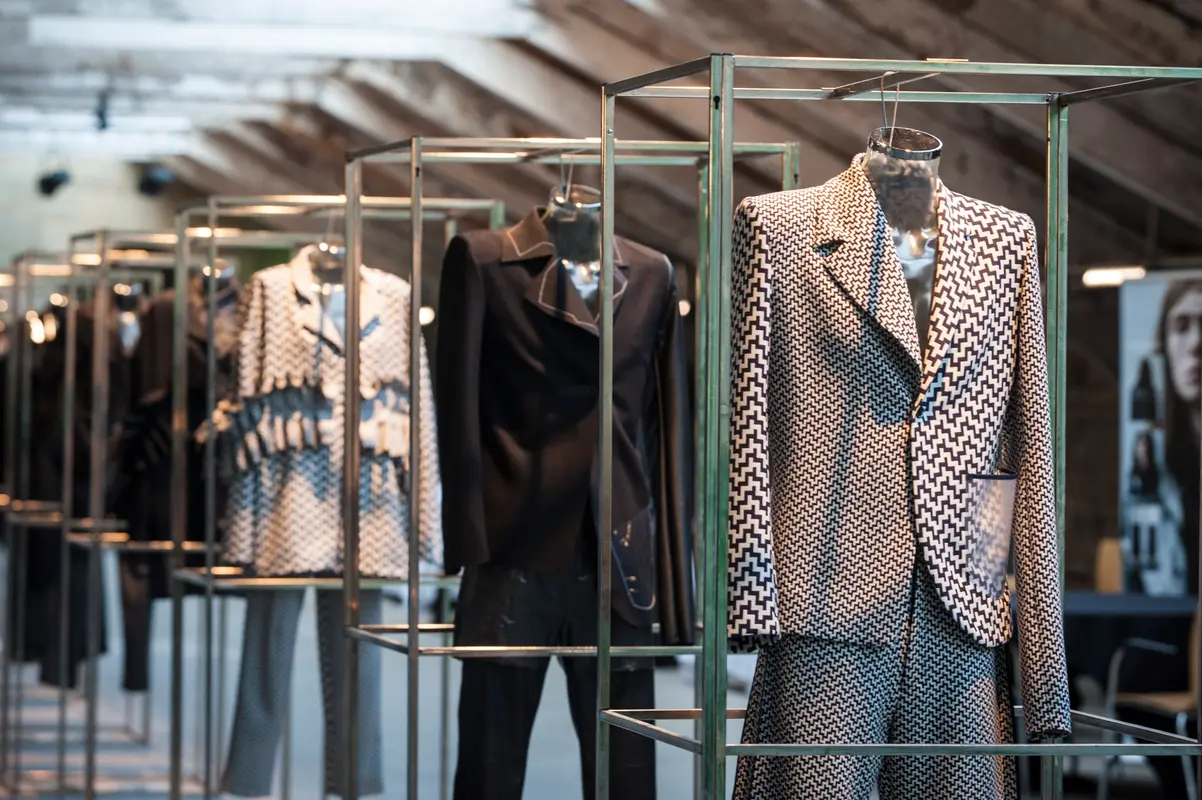
The UK’s Fashion and Textiles industry contributed almost £20 billion to the UK economy in 202…

Net Zero as a catalyst in fashion micro and small enterprises
This report identifies examples of work taking place across three levels of change – social, e…
