

Audiences and workforce in arts, culture and heritage sectors: Recent trends and evidence for Scotland
New research on Scotland’s arts, culture and heritage finds persistent inequalities in participation.
New research on Scotland’s arts, culture and heritage finds persistent inequalities in participation.

A read out from Creative PEC Bernard Hay and Emily Hopkins On Wednesday 11th June the UK Government published its Spending Review, which outlines UK Government departmental budgets for day-to-day… Read More »What does the 2025 Spending Review mean for the creative industries?
Embargoed 00.01 Wednesday 7 May 2025 A new report from the Creative Industries Policy and Evidence Centre (Creative PEC) provides fresh insight on Arts, Culture and Heritage workforce and participation… Read More »Increasing inequality in arts and culture revealed by new research

Exploring regional discrepancies and a widening gap by class and ethnicity in terms of who engages with arts and culture.

Professor Dave O’Brien, University of Manchester, Dr Peter Campbell, University of Liverpool and Dr Mark Taylor, University of Sheffield Inequalities in the film industry have been the subject of much… Read More »Class inequalities in film funding

In part 2 of the blog, our Industry Champions discuss possible solutions to the challenges of lifelong learning in the creative industries

Our Industry Champions discussed the challenges faced in creative industries education and lifelong learning at the recent roundtable.

While the film, TV and games industries are one of the UK’s greatest success stories, new research calls for change from the sector to provide disadvantaged young people with better… Read More »New research calls for change in film, TV and games sectors to improve access and progression for disadvantaged young people

As the APPG for Creative Diversity launches their annual report, ‘Making the Creative Majority’, Alice Kent looks at the findings and discusses some of the Creative PEC’s research on diversity in the… Read More »Creative diversity in higher education
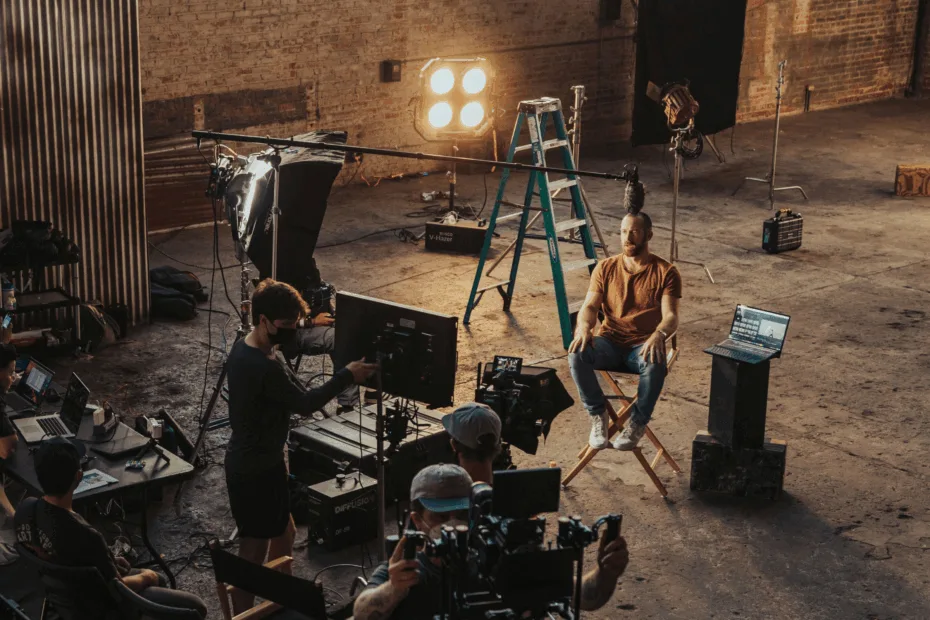
Creative PEC’s Response Executive Summary In this submission, the Creative Industries Policy and Evidence Centre (Creative PEC) addresses several of the questions posed by the Culture, Media and Sport (CMS)… Read More »Culture, Media and Sport Committee’s British Film and High-End Television Inquiry

17 August 2023 – The latest Authors’ Earnings Survey, from researchers at the CREATe Research Centre at the University of Glasgow, made for concerning reading. Author income is in sharp… Read More »Could the UK be a creative haven for writers? With support from policymakers, yes, says new report

27 April 2023 – Today, the Creative PEC launches a landmark report – The State of Creativity – reflecting on 25 years of creative industry policy, since the era of cool Britannia and… Read More »Press release: Landmark Creative Industries report says: prioritise creative education, end unequal access to the arts and focus on the regenerative power of the creative sector

Research shows poorest parts of Manchester have few firms & little/no employment in creative sector 29 September 2022 – Manchester has long been considered a creative industries success story. It… Read More »Press release: Poorest areas excluded from Manchester’s creative industries success story

What are the Creative Industries? The Creative Industries are a diverse and complex sector made up of a variety of sub-sectors, from performing arts to computer games, and graphic design… Read More »Eight things to know about the Creative Industries

There is an incoherence at the heart of government policy. While Culture Secretary Nadine Dorries is calling for more social diversity in the arts, the Department for Education is pursuing… Read More »Class inequality in the Creative Industries is rooted in unequal access to arts and cultural education

The UK’s creative industries – from film to fashion, and from video games to the performing arts – are integral to local communities throughout the country. This is in part… Read More »PEC’s Representation to the Autumn Spending Review

Inequality is currently a key concern for academics, policymakers, and the public. In the UK we can see this play out in debates over things like care costs, taxes, and… Read More »What works to support equity, diversity, and inclusion in the Creative Industries?

A call to Government and Industry to adopt a 10-year, 10-point Social Mobility Plan New report from the Creative Industries Policy and Evidence Centre shows the scale of class exclusion… Read More »Press release: UK’s Creative Industries would need to employ 250,000 more working-class people to be as socio economically diverse as the rest of the economy

This report concludes phase 2 of the PEC’s ‘Class in the Creative Industries’ programme. Led by PEC researchers at Work Advance, the University of Edinburgh, and the Work Foundation, and… Read More »Social mobility in the creative economy: Rebuilding and levelling up?

A recording of Noah Askin’s fascinating talk on gender and creativity in music In this talk, Noah Askin describes his research looking at the relationship between gender and creativity. Noah… Read More »Gender differences in musician creativity

Our new research, supported by ScreenSkills with BFI funding, calls for change in the Screen sector Read the summary of the report The Screen Industries are a vital and vibrant… Read More »Screened out: Tackling class inequality in the UK’s screen industries

New study looks at issues of class diversity in Screen workforce & calls for change in the sector 22nd April 2021 – New research(1) into class diversity in the Screen… Read More »Press release: Class inequalities in the UK’s Screen Industries: New research shows only one in four Screen workers are from working-class backgrounds

From presence to prominence: How can computer vision widen evidence base of on-screen representation There are two big initiatives in the UK regularly collecting evidence on diversity across different demographics… Read More »Part one: Gaps in the evidence base

From presence to prominence: How can computer vision widen evidence base of on-screen representation We present a conceptual framework of representation measurements, focusing on representation on-screen. Off-screen inclusion (e.g. commissioning of… Read More »Part two: A framework for measuring on-screen representation

From presence to prominence: How can computer vision widen evidence base of on-screen representation The final part of this blog series shows two illustrative examples of measuring character prominence in… Read More »Part three: An illustrative demo measuring prominence of TV characters
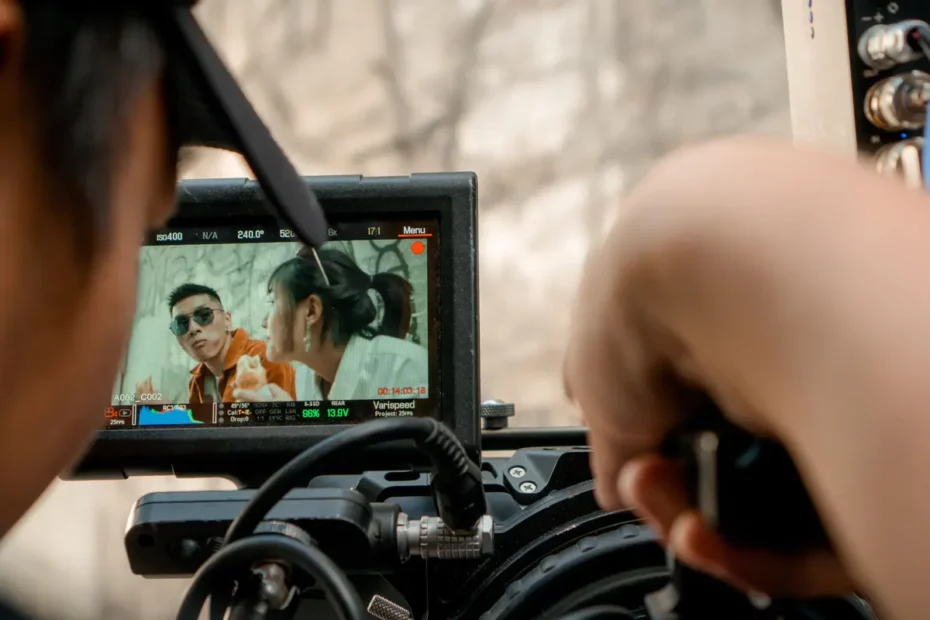
Explore the research series A series about improving issues of diversity in the characters that we see on our screens The UK screen industry has a diversity (specifically, representation) problem… Read More »Using computer vision to improve on-screen representation

As part of our research agenda on the industry’s response to COVID-19, we partnered with the All-Party Parliamentary Group (APPG) for Creative Diversity to consult Industry Champions and APPG partners on the… Read More »The impact of COVID-19 on diversity in the creative industries
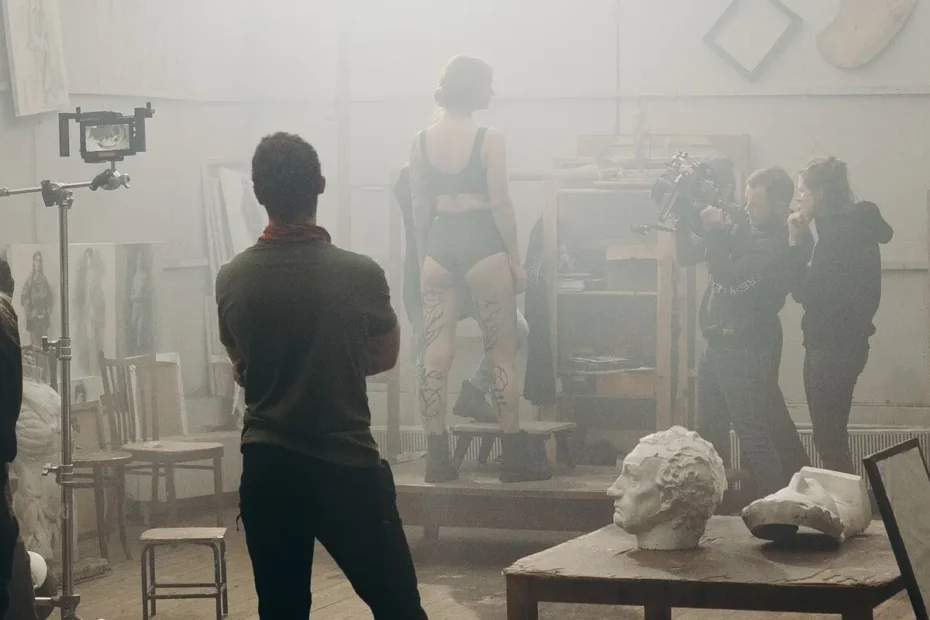
The creative industries currently face unprecedented challenges in the face of COVID-19. The news of closures and redundancies, even as cultural consumption has risen in people’s homes, raises profound questions… Read More »Rebuilding a more inclusive creative economy

Research on class imbalances across creative sector & programme of work for a more inclusive sector – New research from the Creative Industries Policy and Evidence Centre (PEC) highlights class… Read More »Press release: Just 16% of people in creative jobs are from working class backgrounds and those from privileged backgrounds more likely to shape what goes on stage, page and screen

Yesterday’s publication of the latest DCMS Economic Estimates on Employment during 2019 paints a positive picture by suggesting the number of jobs in the cultural sector has grown by 24.0%. The cultural sector includes… Read More »Class, COVID-19, and cultural occupations

Authors: Heather Carey, Rebecca Florisson, Professor Dave O’Brien, Dr Neil Lee It was recently suggested that the pandemic poses ‘the biggest threat to the UK’s cultural infrastructure, institutions and workforce in a generation’… Read More »Getting in and getting on: Class, participation and job quality in the UK’s Creative Industries

The term “big data” may bring to mind swaths of private information held by tech companies. But lots of big data is, in fact, visible to all – we just… Read More »Getting creative with big data to examine gender inequality

Measuring gender imbalances in reporting on the creative industries Researchers analyse over half a million articles published across almost 20 years to examine gender imbalances in media reporting 22nd July… Read More »Press release: How big data and machine learning can be used to generate more meaningful insights on gender inequality
Measuring gender imbalances in reporting on the creative industries The media’s reporting of women in the creative industries has changed markedly in recent years. Not only has there been a… Read More »She said more

The PEC is a fascinating opportunity to connect a whole range of different research approaches, answering questions about the creative industries that are beyond the scope of any one academic… Read More »Why is understanding inequality important to understanding the creative economy?

The creative industries, from film and the wider screen industries to design, advertising and the digital economy, are vital to the UK economy. Dynamic, innovative, and export-orientated, they are one… Read More »Driving more successful creative industries through diversity and investing in talent