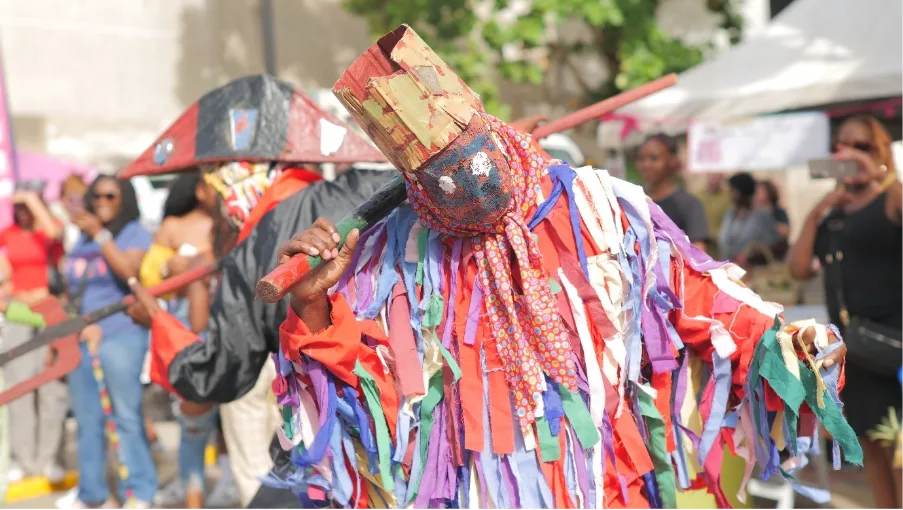
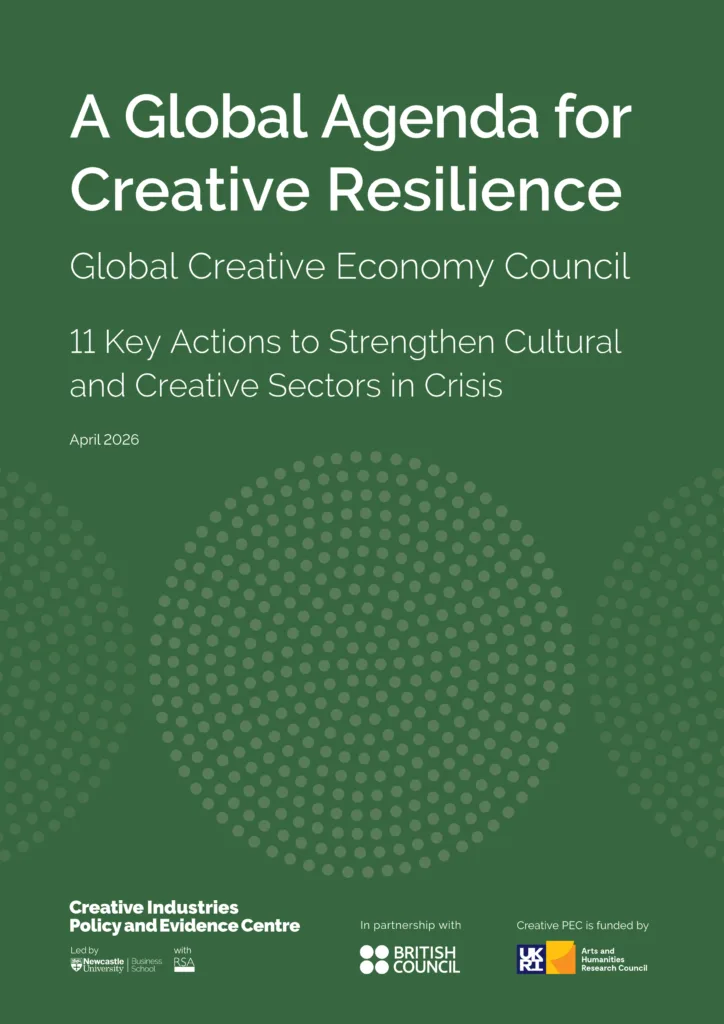
Andrea Dempster Chung, co-founder of Kingston Creative, introduces A Global Agenda for Creative Resilience, an 11-point strategic framework for strengthening cultural and creative sectors from the Global Creative Economy Council.
Catastrophic climate events are becoming stronger, and more frequent, with each season bringing the threat of widespread disruption. In October 2025, Hurricane Melissa swept across Jamaica as a Category 5 system, with a scale of destruction unlike anything the island had faced in recent memory. After the storm’s passage, the reports from the western section of the island were heart-breaking. Many residents had no shelter and in many communities were without access to clean water or food.
Early estimates from the World Bank and Inter-American Development Bank put damages from the hurricane at roughly US$8.8 billion — a staggering figure when compared to Jamaica’s full-year GDP of approximately US$19.93 billion (2024). In a single night, nearly half the country’s economic output for the year was effectively wiped out. Beyond the numbers, the destruction left irreparable scars on cultural and historical sites, dealt a serious blow to the tourism industry, and set the country on a long path to recovery and rebuilding.
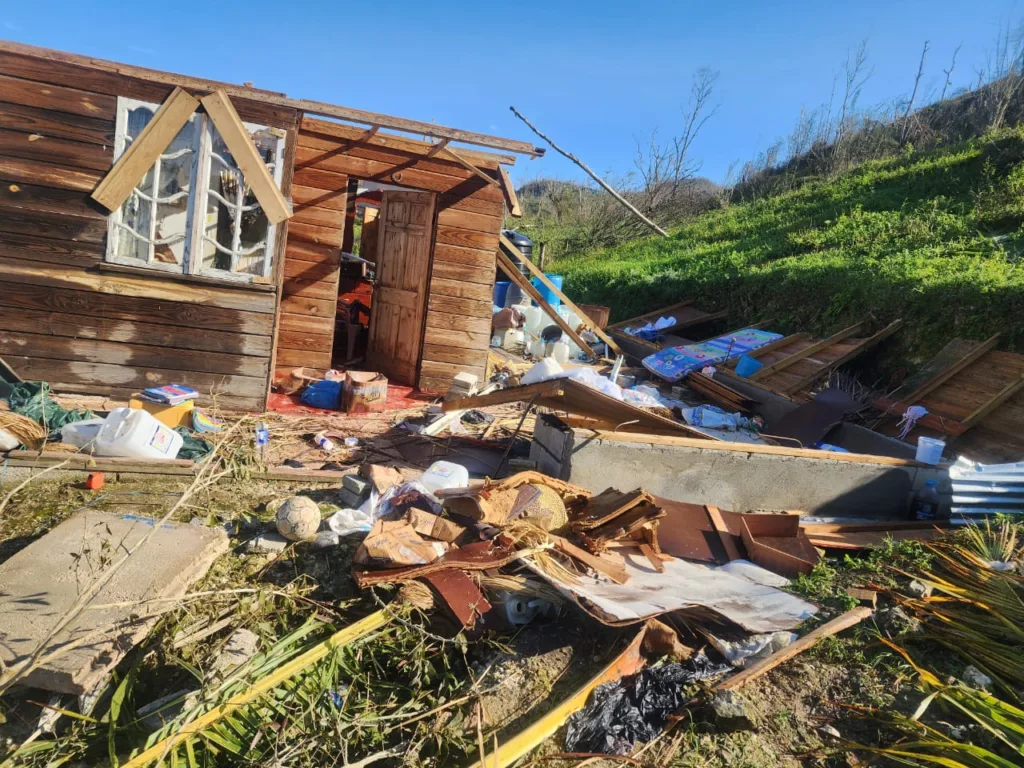
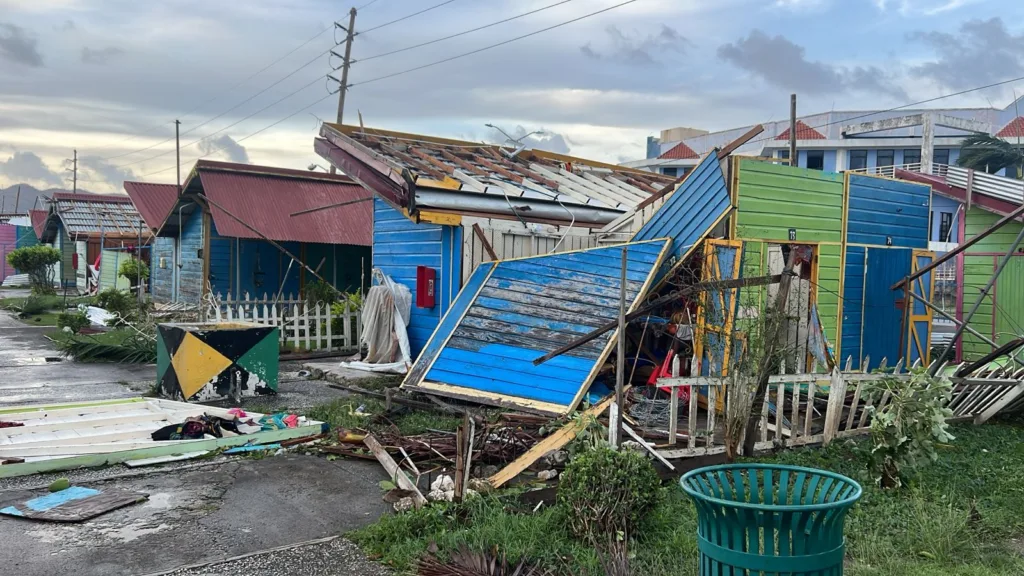
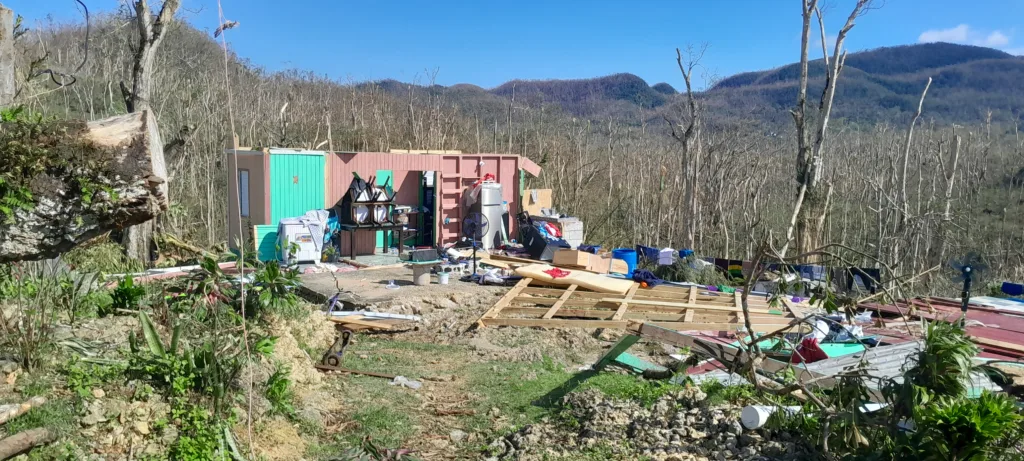
Small Island Developing States (SIDS) in the Caribbean bear the heaviest burden of a climate crisis which they did almost nothing to create. Jamaica accounts for just 0.0176% of global greenhouse gas emissions yet faces some of the most devastating consequences of a warming planet. In the hurricane season, the islands in the Caribbean are vulnerable and disaster-prone because of the worsening climate crisis.
Although Jamaica is well known for its music and culture, paradoxically artists are often overlooked as a demographic. The creative sector is important to employment, GDP growth and long-term sustainable development – yet is not always included in our formal disaster recovery planning. To ensure that creative livelihoods were considered and that artists were protected during the recovery phase, Kingston Creative immediately began gathering data on the impact of the hurricane on creatives. The preliminary reports showed the fragility of the creative sector, where workers are often unregistered and uninsured. Craft markets, instruments and music studios were damaged, and scheduled jobs were cancelled. With the closure of the national airports, creative livelihoods which are heavily dependent on tourism arrivals, had come to a halt.
The Creative Resilience Fund
In response, Kingston Creative launched the Creative Resilience Fund, designed to provide direct financial stipends to creatives in the most affected areas in the months ahead. At the national level, Kingston Creative also joined the Ministry of Culture and UNESCO’s needs assessment team to ensure that cultural practitioners were not forgotten in the broader recovery conversation. Because of the rapid availability of the data, from multilaterals, government and independent NGO’s, the cultural and creative industries was on the national agenda. In this instance they were not as an afterthought but positioned as a sector deserving of sustained support.
Jamaica’s experience of having with an informal creative sector, is far from isolated. Across the world, the artists and entrepreneurs who power the creative economy are not usually in salaried, secure jobs. They tend to work seasonally, in precarious conditions; oftentimes under protected, and these workers are easily overlooked when disaster strikes. The Global Creative Economy Council (GCEC), brought some hard-won perspective to this moment, drawing on experience from the UK, USA, Kyrgyzstan, Egypt, China, India, Canada and South Africa. The Council reflected on lessons learned from New Orleans after Hurricane Katrina, Los Angeles in the wake of its wildfires, and even the strategies used to protect cultural heritage amid the ongoing conflicts in Ukraine and Gaza. The COVID-19 pandemic also offered some key lessons in how to support artists, and these were instructive in charting a course forward.
Climate disasters, however, are only part of the picture. Creatives around the world are navigating an increasingly turbulent landscape, one shaped by political instability, wars, tightening visa restrictions, increasing tariffs on goods essential to creative production, and airspace closures that ripple through global travel and supply chains. For SIDS built on movement of goods and talent – music festivals, entertainment, craft markets, fashion, filmmaking, exhibitions and art fairs – the ability to move freely and connect buyers, artists, and goods across borders isn’t a luxury, it’s a lifeline.
For small nations, instability is an existential threat. Already heavily import-dependent, these economies often rely on cultural tourism as a primary pillar. This means that any disruption to visitor flows doesn’t just put a dent in hotel bookings, it cascades through the livelihoods of creative practitioners and can destabilise the wider economy.
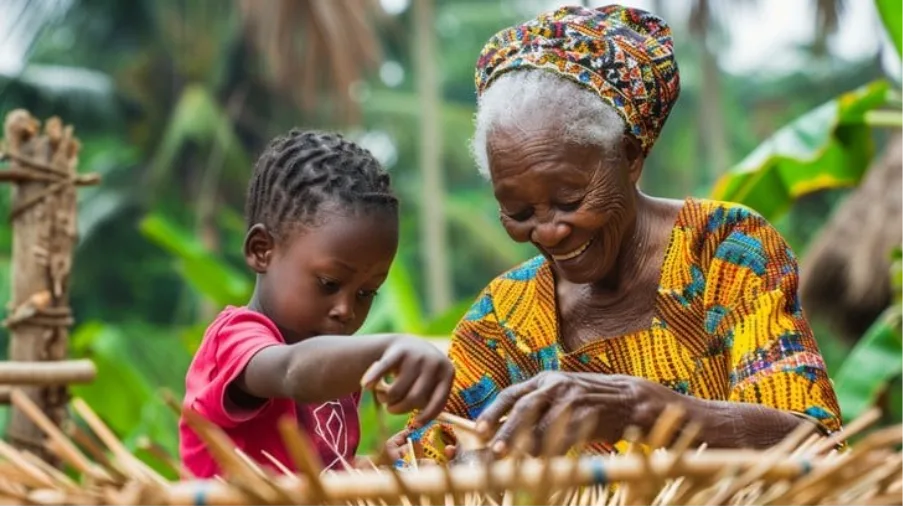
The threats runs deeper than economics. When these crises force a pause in creative life, they risk breaking something far harder to rebuild: the chain of cultural knowledge transmission. In many rural or Indigenous communities, heritage isn’t digitally preserved, housed in archives or museums, it lives in the people. The craft, dances and stories are still carried by elders, passed down through oral traditions, embodied in practice, and taught by one generation to the next. If that chain is broken for long enough, or disrupted frequently enough, there is a risk that it may never be restored. In the face of mounting crises, culture itself stands at risk of extinction. Building resilience for the creative sector is not just an economic issue – it is a matter of cultural survival.
A Global Agenda for Creative Resilience
The GCEC has developed A Global Agenda for Creative Resilience with 11 key actions that is equal parts practical toolkit and rallying call. It serves as a resource for governments, policymakers, intermediary organisations, cultural leaders, and practitioners to understand what is truly at stake, and to build stronger, more durable support systems for the creative sector in their countries.
The message is clear: resilience cannot be built in the rubble. Strategies to protect and sustain the creative sector must be put in place long before disaster strikes, so that when the worst happens, the response is swift, informed, and proportionate to the creative economy’s real social and economic weight. When the dust settles, it is culture that helps communities to heal, countries to rebuild and citizens to find their footing again. In the face of a crisis, no creative should be left behind.