
Who Stays and Who Leaves? Mapping Arts, Culture and Heritage Careers
Exit rates from the sector are higher compared with other sectors. Freelancers form the vital backbone. Download the report....

Why higher education matters to the arts, culture and heritage sectors
Professor Dave O’Brien, Professor of Cultural and Creative Industries at University of Manchester, Dr Mark Taylor, Senior Lecturer in Quantitative Methods...
Arts, Culture and Heritage: Recent Trends in UK Workforce and Engagement in England
Exploring regional discrepancies and a widening gap by class and ethnicity in terms of who engages with arts and culture....
Higher Education and the Arts and Culture Sectors
A Creative PEC State of the Nations Report In this report, we consider the important role that higher education (HE) plays in supplying the talent needs of the arts...
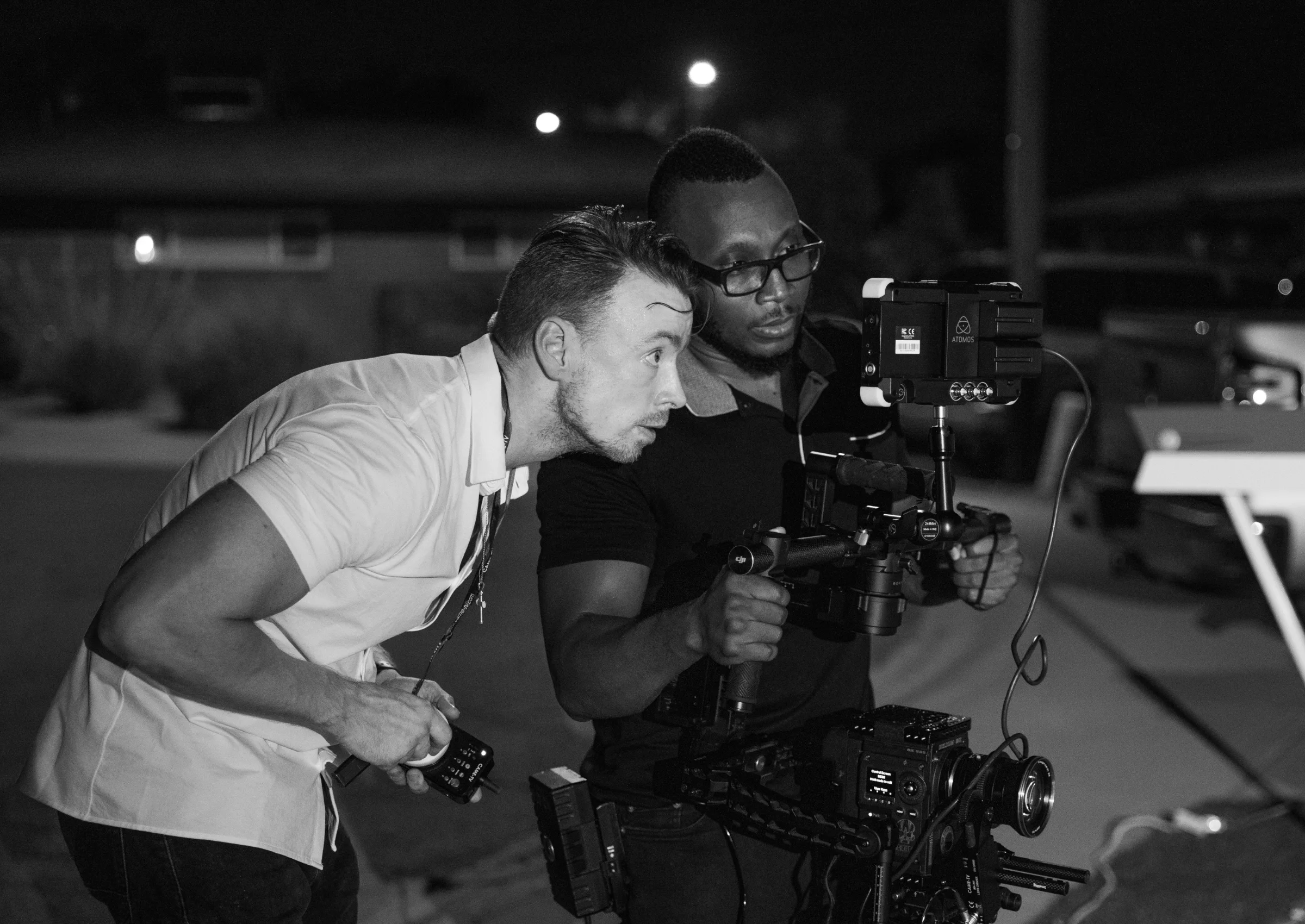
Class inequalities in film funding
Professor Dave O’Brien, University of Manchester, Dr Peter Campbell, University of Liverpool and Dr Mark Taylor, University of Sheffield Inequalities in the film...
Skills Mismatches in the UK’s Creative Industries
A Creative PEC State of the Nations Report The rapid growth of the UK’s creative industries has earned them a place in the UK government’s Industrial Strategy...
Policy brief: Audiences and Workforce in Arts Culture and Heritage
This policy brief uses census data to provide, for the first time, a comprehensive analysis of audiences and workforce....
Arts, Culture and Heritage: Audiences and Workforce
A Creative PEC State of the Nations Report Arts, culture and heritage play a vital role in the UK, enriching society and generating new ideas, while also significantly...

The Good Work Review
The Good Work Review is the first examination of job quality across the entire creative industries. The Review is based on 40 separate indicators, from evidence...

What works to support equity, diversity, and inclusion in the Creative Industries?
Inequality is currently a key concern for academics, policymakers, and the public. In the UK we can see this play out in debates over things like care costs, taxes,...

Social mobility in the creative economy: Rebuilding and levelling up?
This report concludes phase 2 of the PEC’s ‘Class in the Creative Industries’ programme. Led by PEC researchers at Work Advance, the University of...

The European Capital of Culture: A review of the academic evidence
A literature review & policy implications of the impact of the Capital of Culture on local economies...
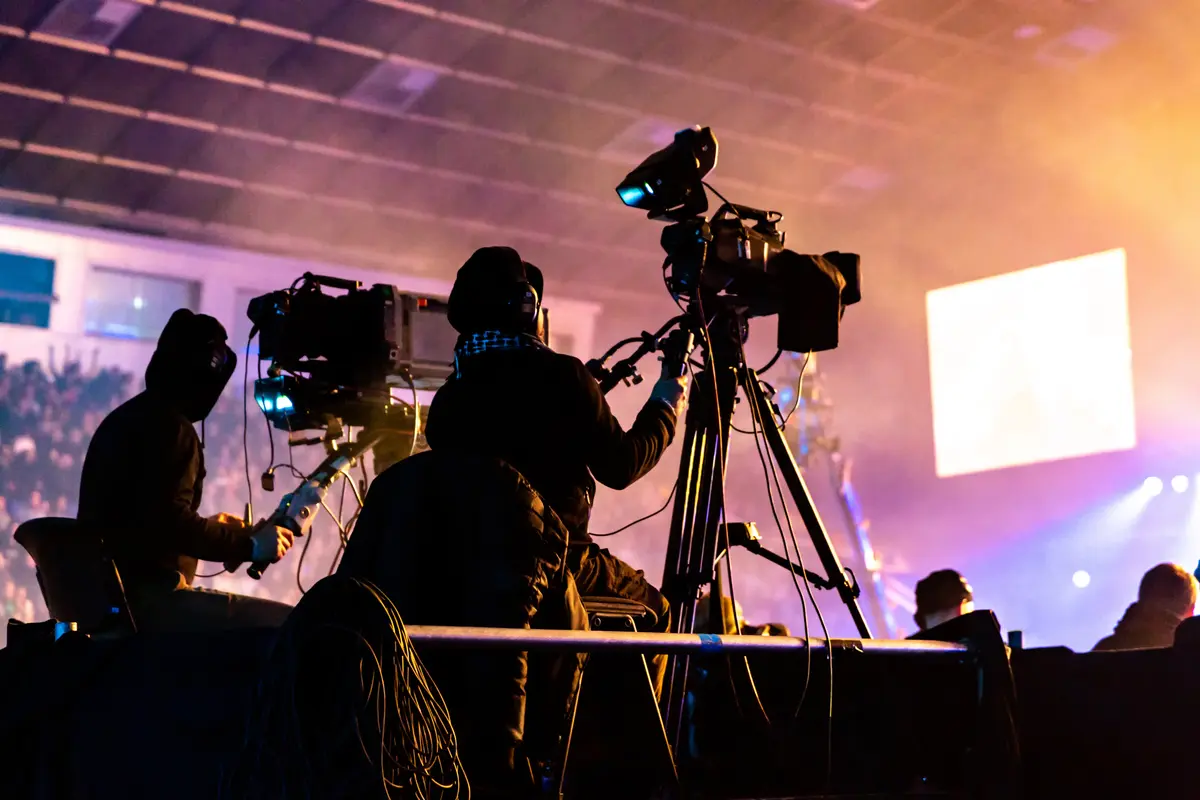
Screened out: Tackling class inequality in the UK’s screen industries
Our new research, supported by ScreenSkills with BFI funding, calls for change in the Screen sector Read the summary of the report The Screen Industries are a vital...

A jobs crisis in the cultural and creative industries
The impact of COVID-19 on the creative industries, and particularly on the cultural sector, has been significant. Live performance venues and museums and galleries...
Who is working second jobs in the creative economy?
Recent reports that Chancellor Rishi Sunak suggested cultural and creative workers find alternative employment caused considerable controversy. Although the...

Class, COVID-19, and cultural occupations
Yesterday’s publication of the latest DCMS Economic Estimates on Employment during 2019 paints a positive picture by suggesting the number of jobs...
Getting in and getting on: Class, participation and job quality in the UK’s Creative Industries
Authors: Heather Carey, Rebecca Florisson, Professor Dave O’Brien, Dr Neil Lee It was recently suggested that the pandemic poses ‘the biggest threat to the...

Why is understanding inequality important to understanding the creative economy?
The PEC is a fascinating opportunity to connect a whole range of different research approaches, answering questions about the creative industries that are beyond...