
How can creative businesses make the most of IP? How has technology affected the way we access scientific research and books? And how can producers of traditional food and drink balance innovation with tradition? These questions and more are addressed in a series of CREATe public lectures, held by the PEC’s researchers from The University of Glasgow, who lead the PEC’s research in Intellectual Property, Business Models, Access to Finance and Content Regulation. Given by industry figures and academics, these events explore a range of areas where intellectual property intersects with creativity, history, geography and digital technology.
All the lectures are free and take place in the evening, to make them accessible to as wide an audience as possible. We also strive to make the lectures available in an alternative form after the event, such as blog posts on the CREATe website, audio recordings or working papers. The current series began in Autumn 2019 and is ongoing until March 2020. All lectures take place in the Humanities Lecture Theatre at the University of Glasgow and can be booked online.
The 2019-2020 series was launched in October with Catherine Stihler – currently CEO of the Open Knowledge Foundation and formerly a Member of the European Parliament from 1999 to 2019. Entitled ‘Reflections on the Making of Copyright Law,’ the lecture was informed by a personal involvement with EU copyright reform. Stihler acted as Vice-Chair of the Internal Market Committee and Rapporteur for Article 13 (now Article 17) of the Copyright in the Digital Single Market Directive. From this unique position, Stihler shared her perspective on the legislative process leading to the controversial Article 17. Stihler advocated for more collaboration and direct engagement between academics and policy makers. More broadly, she supports a more open approach to knowledge, which would lead to an open society. A full report of the lecture is available.
November saw Naysun Alae-Carew speaking on ‘Intellectual Property “terms of trade”: The challenges for entertainment businesses in the emerging platform economy’. Alae-Carew is the Managing Director of Blazing Griffin, a digital entertainment company based in Glasgow that specialises in film and television production, game development and post production. With platforms, services, consumer habits and storytelling constantly changing and developing, the creative industries and independent production companies face unprecedented complexities in protecting intellectual property. The lecture examined contemporary case studies from film, TV and video games and explored the challenges and opportunities that the changing landscape presents. Alae-Carew reflected on his rich personal experience, discussing how intellectual property is at the core of his creative and commercial decisions. A full report of the lecture is available.
In January, Aileen Fyfe, Professor of Modern History at University of St Andrews, explored the content of scientific research papers, and who has the right to circulate them. These questions that lie at the heart of current debates about improving access to the results of research were demonstrated to have a historical basis. Aileen used the example of The Philosophical Transactions, the longest-running scientific journal in the world, following it from its early days as a private venture of its editor to becoming the property of the Royal Society. The discussion was brought up to the present day with an examination of the increasing commercial interest in academic publishing, along with developments in technology bringing new opportunities for circulating knowledge. A blog post on the event will be forthcoming.
We hope that you will be able to join us for the remaining lectures in the series:
- Wednesday 5th February 2020 – Digital disintermediation and efficiency in the market for ideas – Dr Christian Peukert (Católica Lisbon and ETH Zürich)
- Wednesday 12th February 2020 – Quotation under copyright law and the textual paradigm -Professor Lionel Bently (University of Cambridge)
Further information on these lectures, including booking information, can be found on our Events page and on the CREATe website.
Photo by Skye Studios
Related Blogs

Invisible cities, visible lives: creative and cultural industries policy after the slogans
Leandro Valiati looks back at the creative industries in the 21st century and the pivotal year that …

Guaranteed income for artists: what are we trying to change, and for whom?
As Scotland designs its minimum-income pilot for artists, Doug Noonan and Joanna Woronkowicz look to…

Measure what matters: Priority pathways and Creative Higher Education
Bernard Hay, Creative PEC's Policy Director, investigates the surprising absence of creative subject…

11 actions for the cultural and creative industries in the age of AI
A guide to help the cultural and creative industries address the rise of AI, from the GCEC.
Creative Resilience in Times of Crisis
Introducing A Global Agenda for Creative Resilience, an 11-point strategic framework for strengtheni…
Reporting from the Creative PEC Research Symposium 2026
Bringing people together from across academia, industry, and government for discussion and debate on…

Keeping creative options open for everyone
How does creative study allow us to express ideas, shape how we see the world, and contribute to vib…

Coworking spaces as informal skill ecosystems for the creative workforce
How coworking spaces have become an increasingly important component of the creative economy.
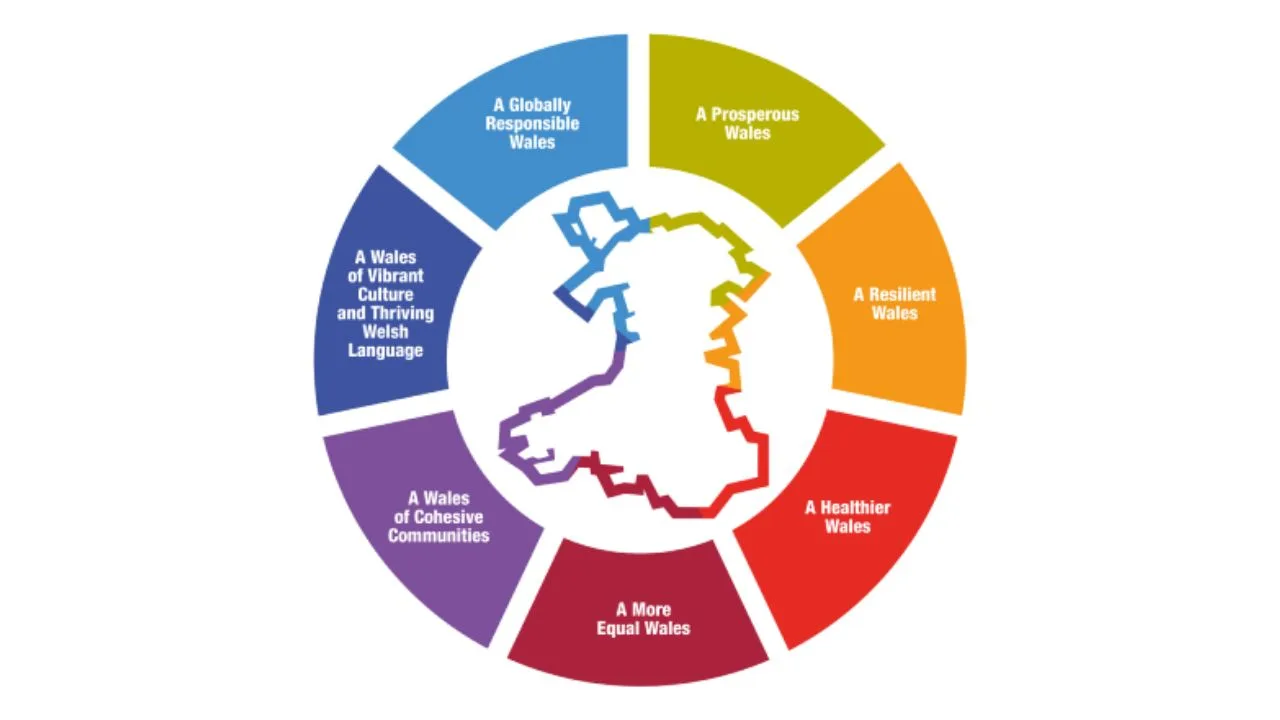
From Wales to the World: Why International Cultural Policy Needs a Future Generations Lens
Can international cultural policy be shaped by focusing on future generations?

10 facts about Creative Industries growth potential
Discover ten key findings from the report 'High-Growth Potential Firms in the UK's Creative Industri…

Why London is investing in Creative Enterprise Zones
London Mayor Sir Sadiq Khan announces £2.2 million in new funding for Creative Enterprise Zones.

Research resources on Creative Clusters
We’ve collated recent Creative PEC reports to help with the preparation of your Creative Cluster bid…
