Issue date: Tuesday 24 June 10am UK time
New research from the Creative Industries Policy and Evidence Centre (Creative PEC) shows persistent inequalities in participation in arts, culture and heritage sectors in Scotland, including by disability, ethnic group, gender, and geographical location. The ingrained nature of the inequalities suggests isolated policy actions alone are unlikely to produce meaningful change with longer-term structural changes needed.
In terms of geographical distribution, the report shows Edinburgh and Glasgow are the council areas with the highest share of people working in arts, culture and heritage. Twelve other councils have a (comparatively) high share of greater than 1%, underlining the fact that cultural workers in Scotland are less concentrated in large urban areas than in England. This reinforces the need for place-based interventions and supports Creative PEC’s advocacy for rural and coastal micro clusters as small engines of growth for the creative industries.
Report co-author Professor Mark Taylor, of The University of Sheffield says:
“Scotland has been a leading site for the Good Work agenda in the creative industries. Our findings suggest that structural barriers to entry and progression remain, reinforcing the importance of delivering the ambition set out in Scotland’s Culture Strategy Action Plan around diversity, inclusion and fair work. Bringing these three themes together, the need for investment is clear. Partnership working between national government, local authorities, cultural organisations, universities and community stakeholders will be essential.”
Key findings include:
- Overall engagement with culture in Scotland is high. For example, 62% of people report reading for pleasure and 50% report going to the cinema.
- However, across all art and culture activities in Scotland there is a significant difference in attendance between those from the wealthiest areas and the most economically disadvantaged areas. In the most deprived areas people are 25% less likely to have been to the cinema than in the wealthiest areas.
- Other notable differences include visiting an art gallery at 31% (most wealthy) compared with 14% (least wealthy), for classical music it is 10% compared with 2%, and for live music it is 49% compared with 16%.
- In some areas there are challenges that are even more pertinent in Scotland, such as disabled people in Scotland being 14% less likely to have visited the cinema than disabled people in England.
- In terms of ethnicity, 31% of white people have attended the theatre compared with 11% of people from a minoritised ethnic background.
- Edinburgh and Glasgow have the highest concentrations of Arts and Culture workers, however several rural and island areas also show strong concentrations of cultural employment. Na h-Eileanan Siar, for example, has one of the highest proportions of artists in all of Scotland.
- The report challenges assumptions that cultural production is concentrated within large urban centres: Scotland’s cultural workforce is distributed across a diverse range of places, including islands, rural communities and smaller towns.
Bernard Hay, Director of Policy, Creative PEC says:
“The persistence of social inequalities within the arts, culture and heritage sector in Scotland reinforces the importance of a coordinated and long-term approach to policy action. With arts, culture and heritage workforces distributed across urban and rural areas, this report also highlights the need for place-based approaches, be it in supporting skills development, inclusive entry and progression pathways into jobs, or fostering good work.”
Professor Rebecca Madgin, University of Glasgow and Programme Director for the AHRC’s Place-Based Research Programme, says:
“The AHRC Place Programme is delighted to support the launch of the latest report in Creative PEC’s award-winning State of the Nation series. The Creative Industries are a crucial aspect of why places can matter to people. This report shows us both the place-based and people-centred aspects of the Creative Industries across Scotland and will help to drive future decision making.”
The report ‘Audiences and workforce in arts, culture and heritage sectors: recent trends and new evidence for Scotland’, published today, is by Professor Dave O’Brien, Professor Mark Taylor, and Dr Ruoxi Wang, Research Associate, University of Sheffield.
Also published today, are three interactive dashboards showing engagement and employment for Scotland, and engagement for England, giving local and regional policymakers access to data in their locality to support cultural strategies and effective policy interventions.
New maps of cultural participation and workforce published today:
Creative PEC’s State of the Nations reports provide longitudinal evidence enabling policymakers to spot long-term trends and make corrective interventions. The updated analysis for the UK shows little change in workforce inequalities in workforce participation with stubborn inequalities remaining.
The report was launched at the University of Glasgow on 24 June with a panel of guests discussing the findings: Professor Rebecca Madgin, University of Glasgow and Programme Director for the AHRC’s Place-Based Research Programme, Professor Mark Taylor, Report co-author, University of Sheffield, Briana Pegado, Former Chair of the Scottish Government’s Independent Culture Fair Work Taskforce, Co-founder of the Black Filmmakers Community Network (BFCN) and Kim Simpson, Head of Equalities, Diversity & Inclusion, Creative Scotland
/ENDS
Download the report: Audiences and workforce in arts, culture and heritage sectors: recent trends and new evidence for Scotland by Professor Dave O’Brien, Professor of Cultural and Creative Industries, University of Manchester, Professor Mark Taylor, Professor of Quantitative Social Science, University of Sheffield (for correspondence) and Dr Ruoxi Wang, Research Associate, University of Sheffield https://pec.ac.uk/arts-culture-heritage-2/ (live from 10 am on Wednesday 24 June 2026)
The research team and spokespeople for the Creative PEC are available for comment and interview.
Press contacts
Alice Kent alice.kent@pec.ac.uk (Monday-Thursday) and Simon Jones (Friday) simon.jones@pec.ac.uk
Notes to editors
1. State of the Nations reports
The report is part of the Creative PEC’s State of the Nations research series, which uses the latest data to inform policymakers on how best to support the creative sector across four thematic areas. Regular reports on each area will be published annually over the five years of the Arts and Humanities Research Council (AHRC) funding period.
2. About the Creative Industries Policy and Evidence Centre (Creative PEC)
Creative PEC works to support growth of the UK’s Creative Industries through the production of independent and authoritative evidence and policy advice. Led by Newcastle University with the Royal Society of Arts and funded by the UKRI Arts and Humanities Research Council, the Centre comprises a core consortium of; Newcastle University, Work Advance, Sussex University and the University of Sheffield. The PEC works with a diverse range of industry partners.
For more details visit www.pec.ac.uk, follow us on LinkedIn and Bluesky, or sign up to our newsletter.
3. About The UKRI Arts and Humanities Research Council
The UKRI Arts and Humanities Research Council (AHRC), part of UK Research and Innovation, funds internationally outstanding independent researchers across the whole range of the arts and humanities: history, archaeology, digital content, philosophy, languages and literature, design, heritage, area studies, the creative and performing arts, and much more. The quality and range of research supported by AHRC works for the good of UK society and culture and contributes both to UK economic success and to the culture and welfare of societies across the globe.
4. ‘Audiences and workforce in arts, culture and heritage sectors: recent trends and new evidence for Scotland was designed by Mike Green at Green Doe Graphic Design
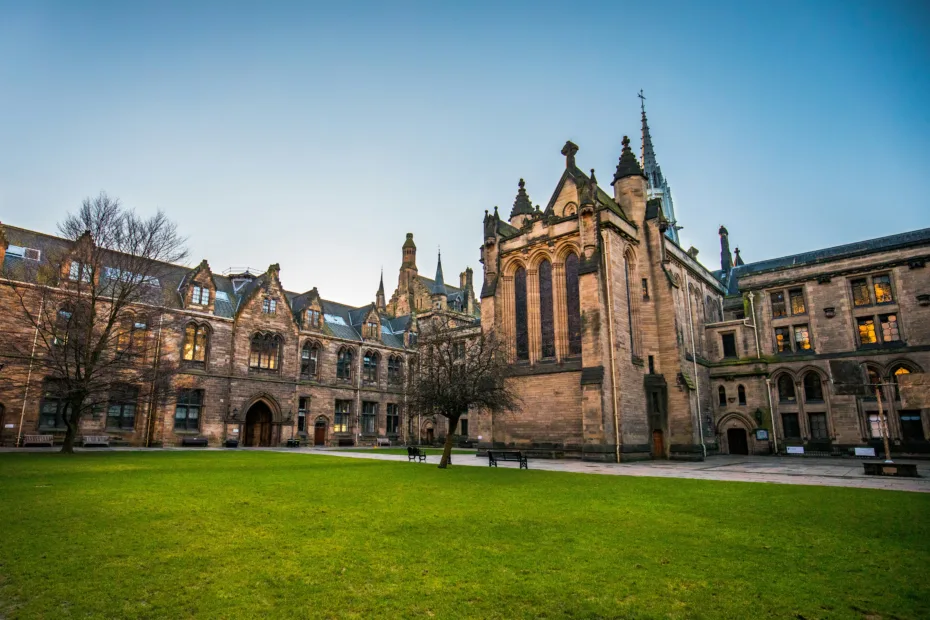
Photo by Zhanhui Li on Unsplash
